


Aluminum Bag in Box
Why Choose Us?
High Standard Products
Kody Pack specializes in the development and production of liquid and multi-functional packaging bags, such as bags in box, color-printed spout pouches, spout doypacks, stand-up pouches with valve, colostrum bags, cosmetic packaging bags, and so on.
Wide Range of Applications
Our products are widely applied in food, beverage, toiletries, detergents, cosmetics and agriculture.
Rich Experience
Kody Pack is a professional manufacturer of liquid packaging bags, with a factory area of 8000 m2 in Dongguan, China, with more than 10 Years.
What is Aluminum Bag in Box
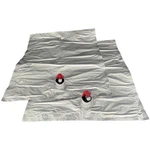
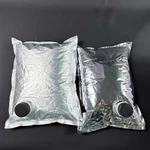
The aluminum bag in box is a bag made of a variety of plastic films after compounding and then passing through a bag-making machine. It is used to package food, pharmaceutical industrial products, and daily necessities. Such products are suitable for moisture-proof, light-proof, and vacuum packaging of large-scale precision machinery and equipment, chemical raw materials, and pharmaceutical intermediates. The four-layer structure is mostly used, which has good water and oxygen barrier functions.


1.Benefits Of Aluminum Bag in Box For Consumers
Aluminum Bag in Box offers numerous benefits for consumers, making it an ideal choice for various products. Aluminum packaging provides versatility in design and functionality, catering to diverse consumer needs. It can be easily shaped into different forms. Aluminum packaging can also incorporate features like easy-open lids, resealable closures, and spouts, enhancing convenience and usability for consumers. The material is also non-toxic and resistant to corrosion, ensuring that it does not react with the contents and alter their taste or freshness. Consumers can be rest assured that the aluminum packaging effectively protects the contents from external factors that can compromise taste, aroma, and overall safety. Moreover, aluminum products such as aluminum bottles and cans are easily reusable and recyclable, which aligns with today's growing focus on sustainability and environmental responsibility. By choosing aluminum packaging, consumers contribute to reducing waste and conserving resources while enjoying the convenience of lightweight yet robust containers that preserve product integrity impeccably.
2.Benefits Of Aluminum Bag in Box For Companies
Aluminum Bag in Box can be very useful and beneficial for sellers alike. As discussed above, aluminum provides complete product safety and extends the shelf life of the products like food, cosmetics, and pharmaceuticals. The sturdiness of aluminum packaging reduces the risk of damage, leaks, and contamination, safeguarding the product. Aluminum packaging is lightweight, which makes it advantageous for logistics and transportation. The lightweight nature reduces the overall weight of packaged goods, resulting in cost savings in fuel consumption, shipping expenses, and costs associated with warehousing. Additionally, aluminum packaging such as aluminum tins are stackable and requires less space, optimizing storage and warehouse efficiency. The lightweight aluminum also helps to reduce carbon emissions, further boosting the brand image. This aspect aligns with the increasing consumer demand for sustainable and eco-friendly products, which allows the seller to grab potential new customers.
3.Benefits Of Aluminum Bag in Box For The Environment
The Aluminum Bag in Box does not contribute to the mounting waste crisis and reduces the reliance on virgin materials, conserving valuable natural resources. In addition, the recycling procedure for aluminum demands notably less energy than the production of new aluminum from raw materials, causing a substantial decline in carbon emissions. Furthermore, aluminum is a naturally occurring material free from harmful and toxic chemicals. This is a significant advantage of aluminum packaging over other packaging materials. In the case of aluminum being not treated properly and found in landfills, oceans, or forests, there is no release of detrimental toxins that could compromise the purity of the ecosystem. This is because aluminum is highly resistant to corrosion and does not react with air or water in its solid form. Aluminum's non-toxic properties prevent it from contributing to the production of dangerous leachates when waste materials decompose and interact in landfills. Similarly, when aluminum packaging waste finds its way into oceans or forests due to improper disposal or littering, it remains harmless to the environment.
How Long Does a Aluminum Bag in Box Last?
Even though it is not possible to find a top Bordeaux or Burgundy in a BiB, this format offers quite a few advantages. Cartons are light and don't break. They are, therefore, more environmentally friendly to transport and easier to carry around, for instance to a picknick or camping trip, than a bottle. They can also be more practical for big events, since they are available in bigger formats, like 1,5L or 3L.
In addition, Bag-in-Box lasts from four to six weeks after opened, while an opened wine bottle lasts usually about one to three days before it starts to go bad. Besides, it is possible to enjoy a glass of wine here and there or use a little bit to boost a sauce without having to finish it off.
Can Aluminum Bag in Box Wines Be Left Out?
Yes, aluminum bag in box wines will stay fresh in or out of the refrigerator, and they can be stored at room temperature before and after being opened. That said, a best practice for storing wines of all types is to never store them at high temperatures or at temperatures below freezing. If possible, it's best to store white wines between 40 and 50 degrees and red wines between 50 and 60 degrees.
When looking at how long wine will stay fresh, the amount of oxygen the wine is exposed to is a key factor, as oxidation is what leads to spoilage. Bag-in-box wine only allows for traces of oxygen to get to the wine, which is how this wine stays fresh for so long.
The aluminum bag in box design keeps opened wine fresher by keeping oxygen out of the bag. As you pour wine, the bag collapses inside the box, which means there's no residual air in the bag to oxidize the wine. Additionally, the seal is air-tight with only trace amounts of oxygen getting through. This slows down the oxidation process and helps keep the wine fresh. Because of this, aluminum bag in box wines stay fresh for four to six weeks after being opened even when stored at room temperature.
Applications of a Aluminum Bag in Box System
The bag-in-box system is used for a variety of applications, including:
Beverage Industry
The bag-in-box system is commonly used in the beverage industry for packaging and dispensing of juices, wine, water, syrup, and other liquids.
Cleaning Products
The bag-in-box system is also used in the cleaning products industry for packaging and dispensing of liquid detergents, fabric softeners, and other cleaning solutions.
Industrial Applications
The bag-in-box system is also used in industrial applications such as lubricants, paints, and other liquids used in manufacturing processes.

Aluminum Bag in Box Retail Shelf Stand Out
When it comes to ads, the packaging is just as important as the product and, in fact, often a better indicator of its quality. A bag in box packaging can help to attract new target groups as it is an eye-catching in-store advertising medium. Classic examples of these are the fancy, branded bags that fine wines come in. Whether it’s the unique design, the quality, or the taste of a wine, the packaging of the wine often determines the success of the product.
A bag in box wine packaging offers a much larger communication room and can serve as a billboard for the brand on the shelf.
The concept of a bag in a box was developed in 1955 and was first taken off as packaging for wine. Today, the bag in box is a versatile and cost-effective packaging solution for a wide range of foods and beverages. Whatever the filling be, the hermetically-sealed bags hinder external contaminants coming into contact with the fluid, maintaining the highest product quality.
The Process of Aluminum Bag in Box Packaging
The aluminum bag in box packaging process generally involves the following steps:
Bag Manufacturing: The first step is the production of the flexible bag that will hold the product. The bag is typically made from a roll of plastic film, such as polyethylene or a multilayer laminate with barrier properties. The film is unwound, shaped, and sealed to form a bag with a specific volume capacity.
Bag Sterilization: Depending on the product being packaged, the bag may undergo a sterilization process to ensure its cleanliness and to extend the shelf life of the product. Sterilization methods can include chemical treatments, steam, or gamma radiation, which eliminate or reduce the presence of microorganisms.
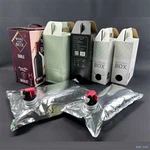
Bag Filling: Once the bags are prepared, they are placed into the rigid outer boxes or cartons. The filling process can be done manually or automatically using specialized machinery. The bags are connected to the filling equipment, and the product is pumped or gravity-fed into the bags. The filling is typically done in a controlled environment to maintain product quality and minimize contamination risks.
Bag Sealing: After filling, the bag needs to be sealed to maintain product freshness and integrity. There are different sealing methods depending on the bag and fitment design. Common sealing techniques include heat sealing, ultrasonic sealing, or using specialized closures or fitments to create an airtight seal.
Box Assembly: Once the bag is filled and sealed, it is placed inside the outer box or carton. The box provides stability, protection, and structural support to the bag. The box is usually pre-printed with branding, product information, and handling instructions.
Dispensing Fitments: Bag-in-box packaging often includes a dispensing fitment such as a tap or spout. These fitments are attached to the bag and extend through a precut opening in the box. The fitments allow controlled pouring or dispensing of the product and can be resealed to maintain product freshness.
Quality Control and Testing: Throughout the bag-in-box packaging process, quality control measures are implemented to ensure the product meets the required standards. This can include inspections for bag integrity, weight accuracy, proper sealing, and functional fitments. Additionally, samples may be taken for testing to verify product quality, shelf life, and safety.
Packaging and Distribution: Once the bag-in-box packaging is complete, the boxes are typically palletized for ease of transportation and storage. They are then ready to be distributed to retailers, wholesalers, or directly to consumers.
Kody Pack is a professional manufacturer of liquid packaging bags, with a factory area of 8000 m2 in Dongguan, China. It is located in the economically active Pearl River Delta region, close to ports and airports. The nearest ports are Guangzhou and Shenzhen.
Kody Pack specializes in the development and production of liquid and multi-functional packaging bags, such as bags in box, color-printed spout pouches, spout doypacks etc, with more than 10 Years.
• New products, new designs, and new technology development
• Automatic production line-Fast delivery-Perfect quality inspection line-100% QC
• Strengthen after-sales work and solve after-sales problems more efficiently
• Excellent geographical location and convenient transportation
• 24 hours online with quickly respond
• Provides customers with effective and professional communication and service

Our Certificate


