

Stackability is a crucial factor to consider when dealing with packaging solutions, especially for products like aluminum bags in boxes. As a leading supplier of aluminum bags in boxes, I've encountered numerous inquiries about the stackability of our products. In this blog post, I'll delve into the science behind stackability, explore the factors that influence it, and share insights based on our extensive experience in the industry.
The Science of Stackability
Stackability refers to the ability of a package to be stacked on top of others without collapsing or causing damage to the contents. When it comes to aluminum bags in boxes, stackability is determined by several key factors, including the design of the bag and box, the material properties, and the distribution of weight.
The design of the box plays a significant role in stackability. A well-designed box should have a sturdy structure that can withstand the weight of the packages stacked on top of it. This typically involves using high-quality materials and appropriate dimensions. For example, a box with a square or rectangular base provides more stability than one with an irregular shape. Additionally, the box should have reinforced corners and edges to prevent crushing and ensure that the weight is evenly distributed.
The material properties of the aluminum bag and the box also impact stackability. Aluminum is a lightweight yet strong material that offers excellent barrier properties, protecting the contents from oxygen, moisture, and light. However, the thickness and quality of the aluminum foil used in the bag can affect its strength and durability. Thicker foils generally provide better protection and are more resistant to punctures and tears, which is essential for maintaining the integrity of the package during stacking.
The box material is equally important. Cardboard is a commonly used material for boxes due to its affordability, recyclability, and ease of customization. However, the quality of the cardboard can vary significantly. High-quality corrugated cardboard with multiple layers provides better strength and support, making it more suitable for stacking. Additionally, the type of coating or treatment applied to the cardboard can enhance its moisture resistance, which is crucial for preventing damage to the package and its contents.
Factors Affecting Stackability
In addition to the design and material properties, several other factors can affect the stackability of aluminum bags in boxes. These include the size and shape of the package, the weight of the contents, and the storage conditions.
The size and shape of the package can have a significant impact on stackability. Larger packages generally require more support and are more challenging to stack than smaller ones. Similarly, packages with irregular shapes or protruding parts can be unstable and may not stack well. To ensure optimal stackability, it's important to choose a package size and shape that is compatible with the intended storage and transportation methods.
The weight of the contents also plays a crucial role in stackability. Heavier packages require more support and are more likely to cause damage to the boxes below if not stacked properly. It's important to consider the weight distribution within the package and to ensure that the boxes are designed to handle the expected load. For example, if the contents are concentrated in one area of the bag, it may be necessary to use a stronger box or to reinforce the area to prevent crushing.
The storage conditions can also affect the stackability of aluminum bags in boxes. Packages stored in a humid environment are more likely to absorb moisture, which can weaken the cardboard and cause it to collapse. Similarly, packages exposed to extreme temperatures or direct sunlight can experience thermal expansion and contraction, which can also damage the boxes. To prevent these issues, it's important to store the packages in a cool, dry place and to avoid exposing them to harsh environmental conditions.
Our Aluminum Bags in Boxes: Stackable Solutions
At our company, we understand the importance of stackability in packaging solutions. That's why we've invested in research and development to design and manufacture aluminum bags in boxes that are not only functional but also highly stackable.
Our Wine Bag In Box is a prime example of our commitment to stackability. The box is made from high-quality corrugated cardboard with multiple layers, providing excellent strength and support. The bag is made from a thick, durable aluminum foil that offers superior barrier properties, protecting the wine from oxygen, moisture, and light. The design of the box and bag ensures that the weight is evenly distributed, making it easy to stack multiple packages without any risk of collapse.
Another popular product is our Coffee Bag in Box Pouch with Vitop. This innovative packaging solution combines the convenience of a bag in box with the functionality of a Vitop closure. The box is designed to be stackable, with reinforced corners and edges to prevent crushing. The bag is made from a high-quality aluminum foil that provides excellent protection for the coffee, ensuring its freshness and flavor.
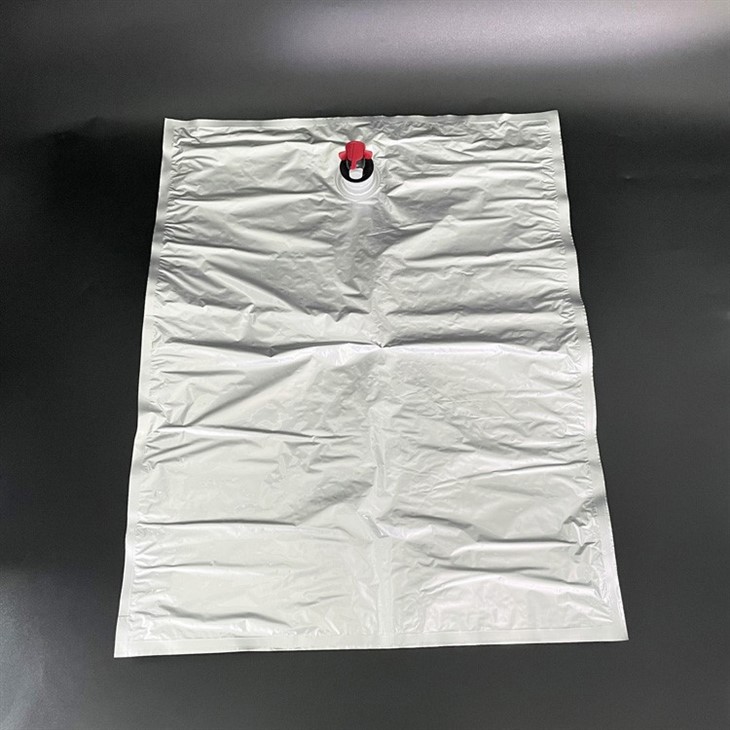
We also offer a range of Pure Aluminum Foil BIB Bag 15L products that are designed for larger volumes. These bags are made from pure aluminum foil, providing maximum protection for the contents. The bags are housed in sturdy boxes that are specifically designed to be stackable, making them ideal for storage and transportation.
Contact Us for Your Packaging Needs
If you're looking for high-quality, stackable aluminum bags in boxes, look no further. Our team of experts is dedicated to providing customized packaging solutions that meet your specific requirements. Whether you're packaging wine, coffee, or any other product, we have the expertise and experience to deliver the perfect solution.
Contact us today to discuss your packaging needs and to learn more about our products. We look forward to working with you to find the best packaging solution for your business.

References
- Packaging Machinery Manufacturers Institute (PMMI). (2023). Packaging Machinery Handbook.
- Smith, J. (2022). The Science of Packaging Design. Packaging World.
- Jones, A. (2021). Aluminum Foil in Packaging: Properties and Applications. Journal of Packaging Science and Technology.


