

Hey there! I'm a supplier of farm bovin feeding tools, and I often get asked if these tools can be used in different weather conditions. Well, let's dive right into it.
First off, we need to understand the different types of weather we're talking about - hot, cold, wet, and dry. Each of these conditions can have an impact on how our farm bovin feeding tools perform.
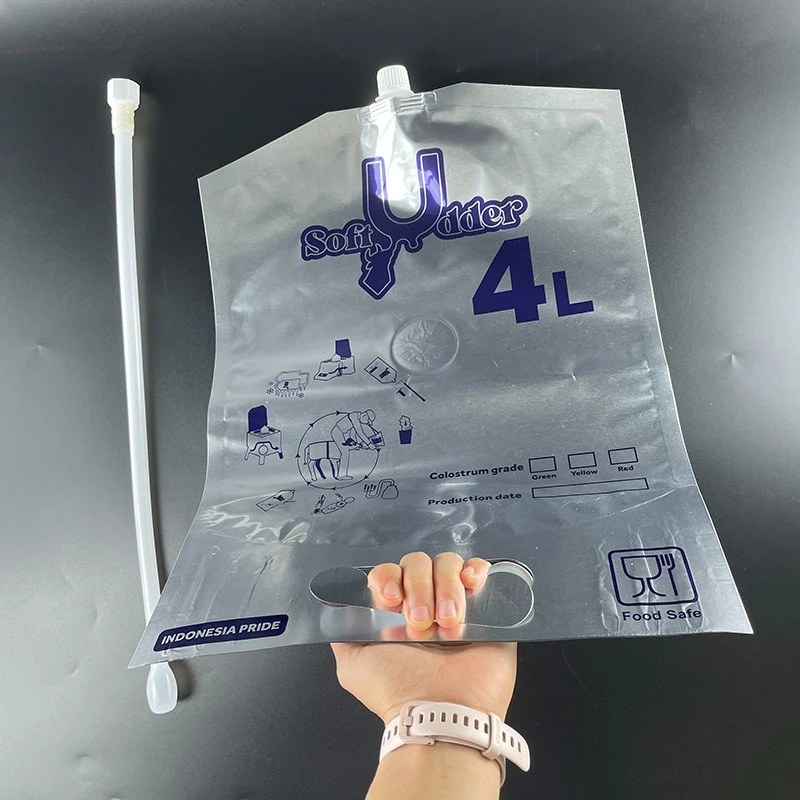
Let's start with hot weather. When it's scorching outside, the main concern is the preservation of the feed. High temperatures can cause feed to spoil quickly, especially if it contains moisture. For example, for our Colostrum Bag with Feeding Tube, which is often used to feed young calves, the colostrum inside can go bad in no time if not properly stored. The bag is made of materials that are designed to withstand some heat, but it's still a good idea to keep it in a shaded area. If the colostrum gets too warm, it can lose its nutritional value and even develop harmful bacteria.
Another issue in hot weather is the comfort of the bovines. They tend to drink less water and eat less feed when it's extremely hot. Our feeding tools need to be easy to use and accessible for the animals to encourage them to eat and drink. Some of our feeding troughs have a design that allows for better air circulation around the feed, which helps keep it a bit cooler. Also, we've made sure that the materials we use for the tools don't get too hot to the touch, so the bovines aren't deterred from using them.
Now, let's talk about cold weather. Cold temperatures can cause the feed to freeze, especially if it has a high water content. Our Milky White Colostrum Bag is insulated to some extent, but in really cold conditions, it might be necessary to keep it in a warmer area before feeding. If the colostrum freezes, it can damage the bag and also make it difficult to feed the calves.
In cold weather, the bovines need more energy to stay warm, so they tend to eat more. Our feeding tools need to be able to hold enough feed to meet their increased demand. We've designed our feeders with larger capacities for cold - weather use. Also, the materials we use are strong enough to withstand the cold without becoming brittle. Some of our metal parts are treated to prevent rusting in the cold and damp conditions.
Wet weather can be a real challenge. Rain and humidity can make the feed soggy and moldy. Our Aluminum Foil Colostrum Bag with Handle is water - resistant, which helps protect the colostrum inside. However, for other feeding tools like troughs, we need to make sure they have good drainage. If water accumulates in the trough, the feed will get spoiled, and the bovines might not eat it.
We've also taken steps to prevent the growth of bacteria in wet conditions. The surfaces of our feeding tools are smooth and easy to clean, so we can quickly remove any moisture and mold. And we use anti - microbial materials in some of our products to keep the feed and the tools hygienic.
Dry weather is a bit different. The main problem here is the dust. Dust can get into the feed and the feeding tools, which can be a health hazard for the bovines. Our tools are designed with covers or lids to keep the dust out as much as possible. Also, we recommend keeping the feeding area clean and dust - free to ensure the health of the animals.
Now, you might be wondering how we test our farm bovin feeding tools in different weather conditions. We have a team of experts who conduct field tests in various climates. We place our tools in real - life farm settings and monitor their performance over time. We collect data on things like feed spoilage, tool durability, and the bovines' acceptance of the tools. Based on this data, we make improvements to our products to ensure they work well in all weather conditions.
In addition to the weather - related factors, we also consider the ease of maintenance of our tools. No matter what the weather is like, farmers need to be able to clean and maintain the feeding tools easily. Our products are designed with this in mind. They have simple structures and are made of materials that can be easily cleaned with common cleaning agents.
As a supplier, we're constantly looking for ways to improve our farm bovin feeding tools. We're always open to feedback from farmers about how our products perform in different weather conditions. If you're a farmer or someone involved in the bovine farming industry, and you have any questions or suggestions about our products, we'd love to hear from you. Whether you're dealing with extreme heat, cold, wet, or dry conditions, we're confident that our tools can meet your needs.

If you're interested in purchasing our farm bovin feeding tools, we're here to have a chat with you. We can discuss your specific requirements, the weather conditions in your area, and how our products can work best for you. Just reach out to us, and we'll start the conversation about finding the right feeding tools for your farm.
References
- Agricultural Engineering Handbook: Covers various aspects of farm equipment design and performance in different environmental conditions.
- Journal of Dairy Science: Contains research on bovine nutrition and the impact of weather on feeding behavior and feed quality.


