

Preventing leakage from a colostrum feeding tube is crucial for efficient and hygienic calf feeding. As a supplier of high - quality Colostrum Feeding Tube, I understand the importance of this issue and have gathered some practical insights to share with you.
Understanding the Causes of Leakage
Before we delve into prevention methods, it's essential to understand why colostrum feeding tubes might leak. One common cause is improper tube installation. If the tube is not correctly attached to the colostrum container or the nipple, there is a high chance of leakage. For example, if the connection is loose, the pressure from the colostrum flow can force it out through the gaps.
Another factor is tube damage. Over time, the tube can be worn out due to repeated use, sharp objects, or exposure to harsh chemicals. Cracks or holes in the tube can lead to significant leakage. Additionally, the viscosity of the colostrum itself can play a role. If the colostrum is too thick, it may cause blockages, which can increase the internal pressure in the tube and result in leakage from weak points.
Selection of High - Quality Tubes
Choosing the right colostrum feeding tube is the first step in preventing leakage. Our Colostrum Feeding Tube is made from high - quality, food - grade materials that are resistant to wear and tear. These materials can withstand the pressure of colostrum flow and are less likely to develop cracks or holes.
High - quality tubes also have better flexibility, which allows for easy installation and reduces the stress on the tube during use. A flexible tube can conform to the shape of the connection points more effectively, ensuring a tight seal. Moreover, the smooth inner surface of our tubes promotes a consistent flow of colostrum, reducing the risk of blockages and the subsequent pressure build - up that can cause leakage.
Proper Installation
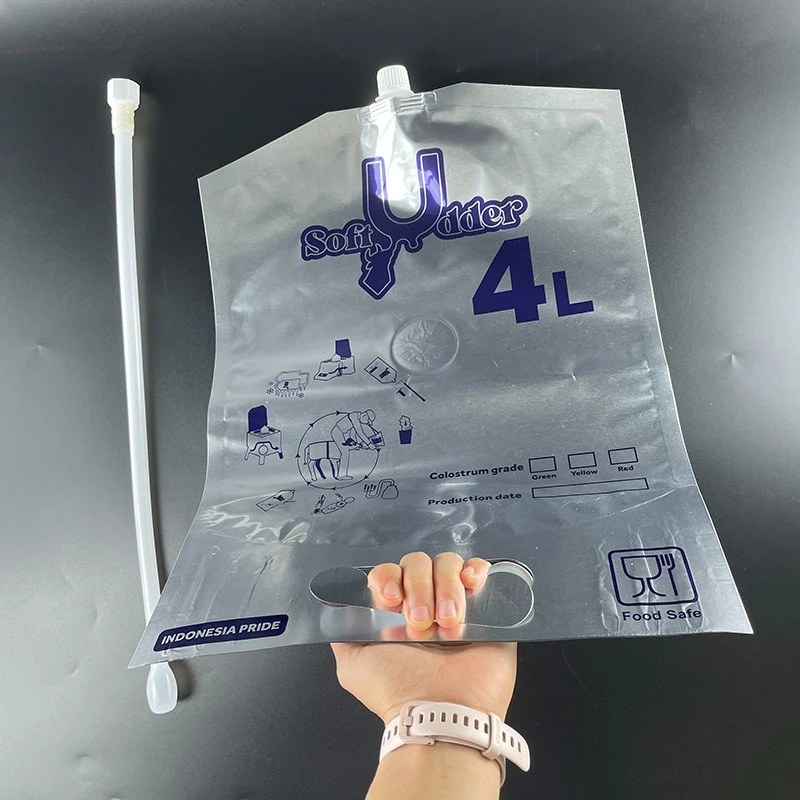
Proper installation of the colostrum feeding tube is vital to prevent leakage. Start by ensuring that all connection points are clean and free of debris. Any dirt or residue can prevent a proper seal from forming. When attaching the tube to the colostrum container, such as our Aluminum Foil Colostrum Bag with Handle, make sure it is pushed on firmly until you feel a secure fit.
For tubes with nipples, ensure that the nipple is correctly inserted into the tube. Some tubes come with a locking mechanism; use it to secure the connection. It's also important to check the alignment of the tube. If the tube is bent or kinked during installation, it can cause uneven pressure distribution and lead to leakage.
Regular Inspection and Maintenance
Regular inspection and maintenance of the colostrum feeding tube are essential for preventing leakage. Before each use, visually inspect the tube for any signs of damage, such as cracks, holes, or discoloration. If you notice any damage, replace the tube immediately to avoid leakage and potential contamination of the colostrum.
After each use, clean the tube thoroughly. Use warm, soapy water to remove any remaining colostrum. You can also use a tube brush to clean the inside of the tube. Rinse the tube well to ensure that no soap residue remains. Drying the tube completely before storage is also crucial, as moisture can promote the growth of bacteria and weaken the tube material over time.
Pressure Management
Managing the pressure inside the colostrum feeding tube is another key aspect of preventing leakage. One way to do this is by controlling the flow rate of the colostrum. If the flow is too fast, it can create excessive pressure in the tube. You can use a flow - control valve or adjust the height of the colostrum container to regulate the flow.
Avoid over - filling the colostrum container. When the container is over - filled, the pressure exerted on the tube can increase significantly, leading to leakage. It's also important to ensure that the tube is not blocked. If there is a blockage, clear it carefully to prevent a sudden release of pressure that can cause leakage.
Compatibility with Accessories
Ensuring the compatibility of the colostrum feeding tube with other accessories is also important. For example, if you are using a Plastic Baskets for Calf Feeding to hold the colostrum container, make sure that the tube can be easily and securely attached to the container within the basket. Incompatible accessories can cause misalignment or loose connections, which can result in leakage.
Training and Education
Providing training and education to the users of the colostrum feeding tubes is crucial. Many cases of leakage can be attributed to user error, such as improper installation or handling. By educating the users on the correct procedures for installation, inspection, maintenance, and use of the tubes, you can significantly reduce the risk of leakage.

Training should include demonstrations of proper installation techniques, how to identify signs of damage, and the correct cleaning and storage procedures. It's also important to train users on how to manage the pressure inside the tube and how to handle any blockages that may occur.
Conclusion
Preventing leakage from a colostrum feeding tube requires a comprehensive approach that includes selecting high - quality tubes, proper installation, regular inspection and maintenance, pressure management, ensuring compatibility with accessories, and providing training to users. As a supplier of Colostrum Feeding Tube, we are committed to providing products and solutions that help you achieve efficient and hygienic calf feeding.
If you are interested in learning more about our colostrum feeding tubes or other related products, or if you have any questions regarding leakage prevention, please feel free to contact us for further discussion and potential procurement. We are ready to assist you in finding the best solutions for your calf - feeding needs.
References
- Dairy Cattle Nutrition and Feeding Handbook.
- Research papers on calf feeding equipment and management.


