

Hey there! As a supplier of gallon spout pouches, I've seen my fair share of spill - related headaches. Spills can be a real pain, not just because they make a mess but also because they can lead to product loss. In this blog, I'm gonna share some tips on how you can prevent spills from a gallon spout pouch.
1. Pouch Design Matters
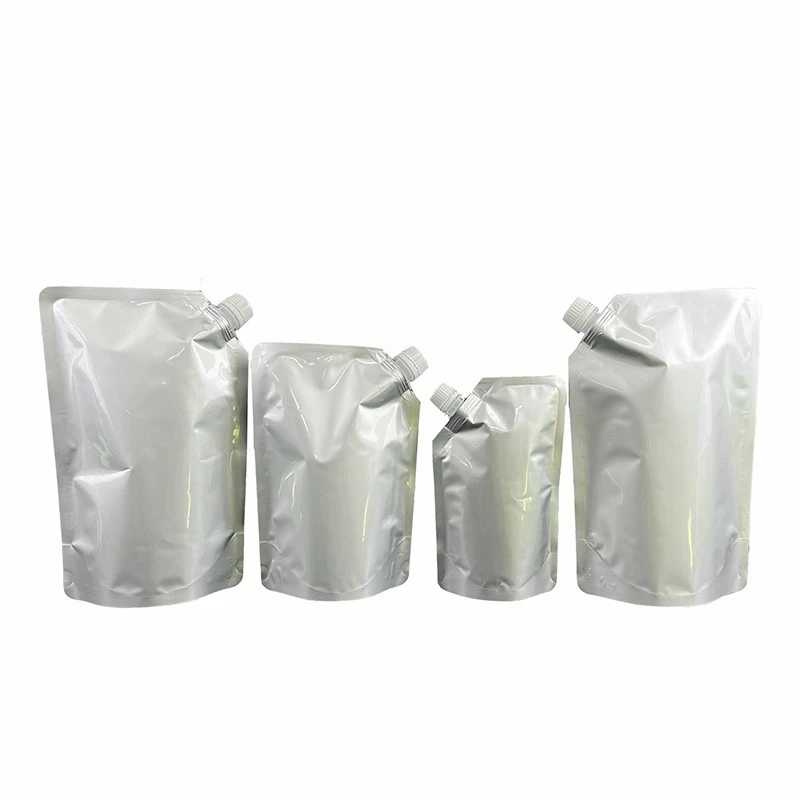
The first line of defense against spills is the design of the gallon spout pouch itself. A well - designed pouch should have a secure spout closure. Our Gallon Spout Pouch features a high - quality spout with a tight - fitting cap. This cap is designed to create a strong seal, preventing any liquid from leaking out even if the pouch is tossed around a bit.
The shape of the pouch also plays a role. A stable, stand - up design reduces the chances of the pouch tipping over. When a pouch stands upright, the liquid inside is less likely to slosh towards the spout and cause a spill. Our gallon spout pouches are engineered to have a wide base, which provides excellent stability.
2. Proper Filling Techniques
How you fill the gallon spout pouch can greatly affect the likelihood of spills. First off, make sure the spout is clean and dry before filling. Any dirt or moisture around the spout can prevent a proper seal.
When filling, it's important not to overfill the pouch. Leave some headspace at the top. This gives the liquid some room to move without forcing its way out of the spout. For example, if you're filling a gallon - sized pouch, aim to fill it to about 90% of its capacity.
Use a slow and steady filling process. Pouring the liquid too quickly can cause splashing and air bubbles to form. These air bubbles can push the liquid out of the spout once the filling is done. It's better to take your time and let the liquid settle inside the pouch.
3. Handling and Storage
Once the gallon spout pouch is filled, how you handle it matters. When picking up the pouch, hold it firmly by the sides, near the base. Avoid grabbing it by the spout, as this can put unnecessary pressure on the seal and cause a leak.
During storage, keep the pouches in an upright position. Stack them carefully so that they don't tip over. If you need to transport the pouches, use a container or a pallet that provides support. This way, the pouches are less likely to get jostled around and spill their contents.
4. Quality of Materials
The materials used to make the gallon spout pouch are crucial in preventing spills. Our pouches are made from high - quality materials that are strong and flexible. For example, our Aluminum Foil Spout Pouch with Flask uses aluminum foil layers. Aluminum foil is not only strong but also provides a good barrier against air and moisture.
The spout is made from a durable plastic that can withstand the pressure of the liquid inside the pouch. It's designed to be resistant to cracking and breaking, which could otherwise lead to spills.

5. Regular Inspections
Make it a habit to inspect the gallon spout pouches regularly. Check for any signs of damage, such as cracks in the pouch or a loose spout cap. If you notice any issues, replace the pouch or fix the problem immediately.
Inspect the seals around the spout as well. A damaged seal can allow liquid to seep out. You can do a simple leak test by gently squeezing the pouch (while it's upright) and checking for any signs of liquid coming out of the spout.
6. Training for Users
If your employees or customers are handling the gallon spout pouches, it's important to provide them with proper training. Teach them about the correct filling, handling, and storage techniques. Make sure they understand the importance of preventing spills, not just for the sake of cleanliness but also for product integrity.
A well - trained user is less likely to cause a spill. You can create a short training video or hold a hands - on training session to ensure everyone knows how to handle the pouches correctly.
7. Sealing and Closure Checks
Before shipping or storing the filled gallon spout pouches, double - check the spout closure. Make sure the cap is screwed on tightly. You can give it a little extra twist to ensure a proper seal.
Some of our gallon spout pouches come with additional sealing features, like a tamper - evident band. This band not only provides an extra layer of security but also gives you a visual indication that the seal has been intact. If the band is broken, it's a sign that the pouch may have been tampered with or the seal may be compromised.
8. Environmental Considerations
The environment in which the gallon spout pouches are stored and used can also impact spill prevention. Extreme temperatures can affect the materials of the pouch and the spout. For example, high temperatures can cause the plastic to expand, which may loosen the spout cap.
Keep the pouches in a cool, dry place. Avoid storing them in direct sunlight or near sources of heat. If the pouches are going to be used in a hot environment, consider using a cooling system or insulating the storage area.
Additional Products for Spill Prevention
In addition to our Gallon Spout Pouch, we also offer Aluminum Foil Liquid Water Spout Pouch Bag. These bags are great for storing and transporting liquids. They have all the features mentioned above, such as a secure spout and a stable design, to prevent spills.
If you're looking for a more stylish option, our Aluminum Foil Spout Pouch with Flask is a great choice. It combines functionality with a unique design, making it suitable for a variety of products.
Conclusion
Preventing spills from a gallon spout pouch requires a combination of good design, proper filling and handling techniques, and regular inspections. By following these tips, you can significantly reduce the chances of spills and ensure that your products are safely stored and transported.
If you're interested in our gallon spout pouches or have any questions about spill prevention, feel free to reach out. We're here to help you find the best solutions for your packaging needs. Let's work together to keep your products spill - free!
References
- Packaging Industry Best Practices Handbook
- Studies on Liquid Packaging and Spill Prevention


