

Transporting filled custom farm calf feeding bags is a crucial aspect of ensuring the health and well - being of young calves. As a supplier of Custom Farm Calf Feeding Bag, I understand the significance of proper transportation methods. In this blog, I will share some insights on how to transport these bags effectively.

Understanding the Nature of Filled Custom Farm Calf Feeding Bags
Before delving into the transportation methods, it's essential to understand the nature of filled custom farm calf feeding bags. These bags are typically filled with colostrum or milk replacer, which are vital for the growth and development of calves. The contents are perishable and need to be kept at an appropriate temperature to maintain their quality.
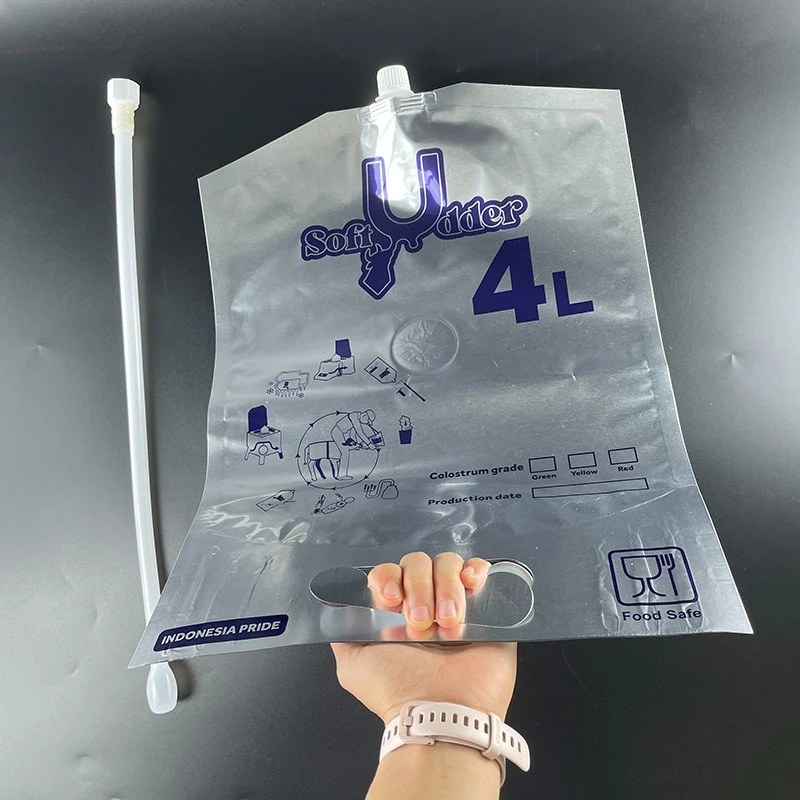
Our Aluminum Foil Colostrum Bag with Handle is designed to provide some insulation. The aluminum foil helps to reflect heat and keep the contents at a stable temperature for a certain period. However, during transportation, additional measures may be required.
Temperature Control
Temperature control is one of the most critical factors when transporting filled custom farm calf feeding bags. Colostrum and milk replacer should be kept at a cool temperature to prevent spoilage.
- Using Coolers: One of the simplest and most effective ways to control temperature is by using coolers. Place the filled bags in a well - insulated cooler. You can add ice packs or frozen gel packs around the bags to keep the temperature low. Make sure the ice packs are wrapped in a towel or cloth to prevent direct contact with the bags, which could cause the contents to freeze.
- Refrigerated Transport: For longer distances or larger quantities of bags, refrigerated transport may be necessary. Trucks or vans equipped with refrigeration units can maintain a consistent temperature throughout the journey. This is especially important during hot weather or when transporting over long periods.
Protection from Physical Damage
Filled custom farm calf feeding bags are vulnerable to physical damage during transportation. A puncture or tear in the bag can lead to leakage and contamination of the contents.
- Proper Packaging: Use sturdy boxes or crates to pack the bags. Line the boxes with soft materials such as foam or bubble wrap to cushion the bags and protect them from impacts. Make sure the boxes are the right size for the bags to prevent them from shifting around during transit.
- Stacking Considerations: When stacking the boxes, be careful not to place too much weight on the bottom boxes. Stack them in a stable and balanced manner to avoid crushing the bags at the bottom.
Handling and Loading
Proper handling and loading are essential to ensure the safety of the filled custom farm calf feeding bags.
- Gentle Handling: Train your staff to handle the bags gently. Avoid dropping or throwing the bags, as this can cause damage. Lift the bags by the handles if they are equipped with them, or support the bottom of the bag to distribute the weight evenly.
- Loading Sequence: When loading the bags onto a vehicle, start with the heavier or more stable items at the bottom. Place the filled bags on top in an organized manner. Make sure there is enough space between the bags to prevent them from rubbing against each other and causing damage.
Monitoring During Transportation
Monitoring the bags during transportation is crucial to detect any issues early.
- Regular Checks: If possible, have someone check on the bags periodically during the journey. Look for signs of leakage, damage, or temperature changes. If any problems are detected, take immediate action to address them.
- Using Temperature Sensors: You can also use temperature sensors to monitor the temperature inside the cooler or the vehicle. Some sensors can send real - time data to your phone or a monitoring device, allowing you to keep track of the temperature even when you're not physically present.
Specific Considerations for Different Bag Types
Different types of custom farm calf feeding bags may require specific transportation considerations.
- Colostrum Bag with Feeding Tube: These bags often have a feeding tube attached. Make sure the tube is properly secured to prevent it from getting tangled or damaged during transportation. You may need to wrap the tube in a protective sleeve or place it in a separate compartment within the box.
- Aluminum Foil Bags: As mentioned earlier, aluminum foil bags provide some insulation. However, they can be more prone to tearing if not handled carefully. Pay extra attention to protecting these bags from sharp objects during transportation.
Regulatory Compliance
When transporting filled custom farm calf feeding bags, it's important to comply with relevant regulations.
- Food Safety Regulations: Since the contents of the bags are food for calves, you need to adhere to food safety regulations. This may include proper labeling of the bags, maintaining hygiene during handling and transportation, and ensuring that the temperature control measures meet the required standards.
- Transportation Regulations: There may also be transportation regulations regarding the use of refrigerated vehicles, the handling of perishable goods, and the documentation required for the shipment. Make sure you are familiar with these regulations and follow them accordingly.
Conclusion
Transporting filled custom farm calf feeding bags requires careful planning and attention to detail. By controlling the temperature, protecting the bags from physical damage, handling them properly, monitoring during transportation, and complying with regulations, you can ensure that the bags reach their destination in good condition.
If you are interested in purchasing our high - quality Custom Farm Calf Feeding Bag, Aluminum Foil Colostrum Bag with Handle, or Colostrum Bag with Feeding Tube, please feel free to contact us for more information and to discuss your procurement needs. We are committed to providing you with the best products and services.
References
- "Best Practices for Transporting Perishable Goods in Agriculture", Agricultural Research Journal
- "Food Safety Regulations for Animal Feed", Government Agricultural Department Publication


