

As a supplier of disposable coffee bags in a box, I've always been fascinated by the intricate process of how the aroma of coffee develops during brewing. It's a topic that combines the art of coffee making with the science of flavor extraction, and it's one that I'm excited to share with you today.
The Basics of Coffee Aroma
Before we delve into the development of aroma during brewing, let's first understand what coffee aroma is and why it's so important. Coffee aroma is a complex mixture of volatile organic compounds (VOCs) that are released from the coffee beans during roasting and brewing. These VOCs are responsible for the characteristic smell of coffee, and they can vary depending on the type of coffee bean, the roasting process, and the brewing method.
The aroma of coffee is not only important for our sense of smell but also for our overall coffee experience. It can enhance the flavor of the coffee, make it more enjoyable to drink, and even affect our mood and emotions. In fact, studies have shown that the aroma of coffee can have a positive impact on our cognitive function, memory, and mood.
The Role of Disposable Coffee Bags in a Box
As a supplier of disposable coffee bags in a box, I understand the importance of preserving the aroma of coffee. Our disposable coffee bags are designed to keep the coffee fresh and flavorful, while also providing a convenient and easy-to-use solution for coffee lovers.
The disposable coffee bags in a box are made from high-quality materials that are designed to protect the coffee from oxygen, moisture, and light. This helps to preserve the aroma and flavor of the coffee, ensuring that it stays fresh for longer. Additionally, the bags are sealed to prevent any air from entering, which helps to maintain the integrity of the coffee.
The Brewing Process and Aroma Development
Now that we understand the basics of coffee aroma and the role of disposable coffee bags in a box, let's take a closer look at how the aroma of coffee develops during brewing. The brewing process can be divided into several stages, each of which plays a crucial role in the development of aroma.
Stage 1: Wetting the Coffee Grounds
The first stage of the brewing process is wetting the coffee grounds. When the hot water comes into contact with the coffee grounds, it begins to extract the soluble compounds, including the VOCs responsible for the aroma. This initial contact between the water and the coffee grounds is crucial for the development of aroma, as it helps to release the volatile compounds from the coffee.
Stage 2: Extraction of Aroma Compounds
Once the coffee grounds are wet, the extraction process begins. The hot water dissolves the soluble compounds in the coffee, including the VOCs, and carries them into the brewed coffee. The extraction process is influenced by several factors, including the temperature of the water, the brewing time, and the ratio of water to coffee.
The temperature of the water is particularly important for the extraction of aroma compounds. Generally, a higher temperature will result in a more rapid extraction of the VOCs, but it can also lead to the extraction of bitter compounds if the temperature is too high. On the other hand, a lower temperature may result in a slower extraction of the aroma compounds, but it can also produce a more balanced and flavorful cup of coffee.
The brewing time is another important factor that affects the extraction of aroma compounds. A longer brewing time will generally result in a more complete extraction of the VOCs, but it can also lead to over-extraction and the extraction of bitter compounds. Conversely, a shorter brewing time may result in a less complete extraction of the aroma compounds, but it can also produce a lighter and more delicate cup of coffee.
Stage 3: Release of Aroma
As the brewing process continues, the aroma compounds are released into the air. This is what we smell when we brew coffee, and it's one of the most enjoyable aspects of the coffee-making experience. The release of aroma is influenced by several factors, including the surface area of the coffee grounds, the temperature of the water, and the brewing method.
The surface area of the coffee grounds is particularly important for the release of aroma. Finely ground coffee has a larger surface area than coarsely ground coffee, which means that more aroma compounds are exposed to the water and can be released into the air. Additionally, the temperature of the water can affect the release of aroma, as a higher temperature will generally result in a more rapid release of the VOCs.
Stage 4: Aroma Perception
The final stage of the brewing process is aroma perception. When we smell the coffee, the aroma compounds are detected by the olfactory receptors in our nose, which send signals to our brain. Our brain then processes these signals and interprets them as the characteristic smell of coffee.
The perception of aroma can be influenced by several factors, including our individual sense of smell, the environment in which we are drinking the coffee, and our expectations. For example, if we are in a noisy or distracting environment, we may not be able to fully appreciate the aroma of the coffee. Additionally, if we have a cold or a sinus infection, our sense of smell may be impaired, which can affect our perception of aroma.
The Impact of Different Brewing Methods on Aroma Development
There are several different brewing methods that can be used to make coffee, each of which can have a different impact on the development of aroma. Let's take a closer look at some of the most popular brewing methods and how they affect the aroma of coffee.
Drip Brewing
Drip brewing is one of the most common brewing methods used to make coffee. In this method, hot water is poured over the coffee grounds, which are held in a filter. The water then drips through the filter and into a carafe or cup.
Drip brewing is known for producing a clean and consistent cup of coffee, with a balanced aroma and flavor. The slow and steady flow of water through the coffee grounds helps to extract the aroma compounds gradually, resulting in a well-rounded and flavorful cup of coffee.
French Press
The French press is another popular brewing method that is known for producing a rich and full-bodied cup of coffee. In this method, the coffee grounds are steeped in hot water for a few minutes, and then a plunger is used to separate the grounds from the brewed coffee.
The French press allows for a longer extraction time, which can result in a more intense and complex aroma. The coarse grind of the coffee used in the French press also helps to release the aroma compounds more easily, resulting in a more robust and flavorful cup of coffee.
Espresso
Espresso is a concentrated form of coffee that is made by forcing hot water through finely ground coffee under high pressure. This method is known for producing a strong and intense cup of coffee, with a rich and complex aroma.
The high pressure used in espresso brewing helps to extract the aroma compounds quickly, resulting in a concentrated and flavorful cup of coffee. The short extraction time also helps to preserve the delicate aroma compounds, resulting in a more aromatic and flavorful cup of coffee.
Conclusion
In conclusion, the aroma of coffee is a complex and fascinating topic that is influenced by several factors, including the type of coffee bean, the roasting process, the brewing method, and the quality of the coffee packaging. As a supplier of disposable coffee bags in a box, I understand the importance of preserving the aroma of coffee and providing a convenient and easy-to-use solution for coffee lovers.

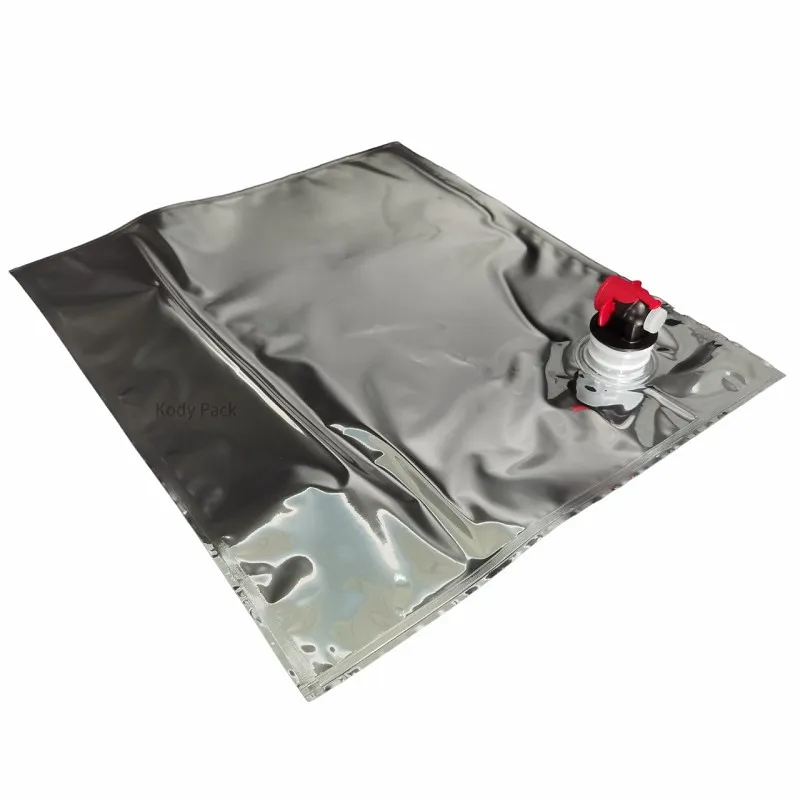
If you're interested in learning more about our disposable coffee bags in a box, or if you're looking to purchase our products, please visit our website at Disposable Coffee Bag in Box. We also offer a variety of other products, including Screw Cap Aluminum Bag in Box and Aluminum Bag In Box with Vitop.
We're always happy to answer any questions you may have and to help you find the perfect coffee packaging solution for your needs. So, don't hesitate to contact us today to start a conversation about your coffee packaging requirements.
References
- Illy, A., & Viani, R. (2005). Espresso coffee: The science of quality. Elsevier.
- Clifford, M. N., & Willson, K. C. (1985). Coffee: Botany, biochemistry and production of beans and beverage. CABI.
- Sivetz, M., & Foote, H. E. (1963). Coffee processing technology. AVI Publishing Company.


