

Hey there! I'm a supplier of farm bovin feeding tools. Over the years, I've seen firsthand how these tools play a crucial role in the cattle - raising industry. But have you ever stopped to think about the environmental impacts of these farm bovin feeding tools? Let's dive right in and explore this topic.
1. Material Sourcing and Extraction
Most of the farm bovin feeding tools are made from various materials like plastics, metals, and rubber. When it comes to plastics, the raw materials are usually derived from petroleum. The extraction of petroleum is a major environmental concern. Oil drilling can lead to oil spills, which are catastrophic for marine life. These spills contaminate water bodies, kill fish and other marine organisms, and damage coastal ecosystems.
For example, the Deepwater Horizon oil spill in 2010 released millions of barrels of oil into the Gulf of Mexico. It had a long - lasting impact on the local environment, including the death of countless birds, sea turtles, and fish. And when we use petroleum - based plastics for feeding tools, we're indirectly contributing to these environmental disasters.
On the other hand, metals like aluminum and steel are also commonly used in feeding tools. Mining these metals requires a large amount of energy and water. The mining process can cause deforestation, soil erosion, and water pollution. For instance, bauxite mining for aluminum production often involves clearing large areas of forests. This not only destroys habitats for wildlife but also disrupts the water cycle in the area.

2. Manufacturing Process
The manufacturing of farm bovin feeding tools is energy - intensive. Factories need to heat, mold, and assemble these tools, which usually rely on fossil fuels. Burning fossil fuels releases large amounts of greenhouse gases such as carbon dioxide (CO₂), methane (CH₄), and nitrous oxide (N₂O) into the atmosphere. These gases trap heat, leading to global warming and climate change.
In addition, the manufacturing process also generates a significant amount of waste. For example, when plastic feeding tools are produced, there are often leftover plastic scraps. If not properly managed, these scraps can end up in landfills or even in the environment, where they can take hundreds of years to decompose.
3. Usage and Waste Generation
When it comes to using farm bovin feeding tools, there are also environmental impacts. Some feeding tools, especially single - use ones, contribute to the growing problem of waste. For example, single - use plastic colostrum bags are convenient but create a lot of plastic waste. Once they're used, they're often thrown away, adding to the already overflowing landfills.
However, there are some ways to mitigate these impacts. For example, at our company, we offer reusable feeding tools. Our Custom Farm Calf Feeding Bag is made from high - quality, durable materials that can be washed and reused multiple times. This not only reduces waste but also saves money for farmers in the long run.
Another option is our Colostrum Bag with Feeding Tube. It's designed to be long - lasting and easy to clean. By choosing these reusable options, farmers can significantly reduce their environmental footprint.
4. End - of - Life Disposal
When farm bovin feeding tools reach the end of their useful life, how they're disposed of matters a great deal. As I mentioned earlier, plastic tools can take a very long time to break down in landfills. And if they end up in the ocean, they can harm marine life. Animals may mistake plastic pieces for food and ingest them, which can lead to internal injuries and even death.
Metallic tools, if not recycled, can also be a problem. They take up space in landfills and waste valuable resources. Recycling these tools can help conserve natural resources and reduce the energy needed for new production. For example, recycling aluminum requires only about 5% of the energy needed to produce new aluminum from bauxite.
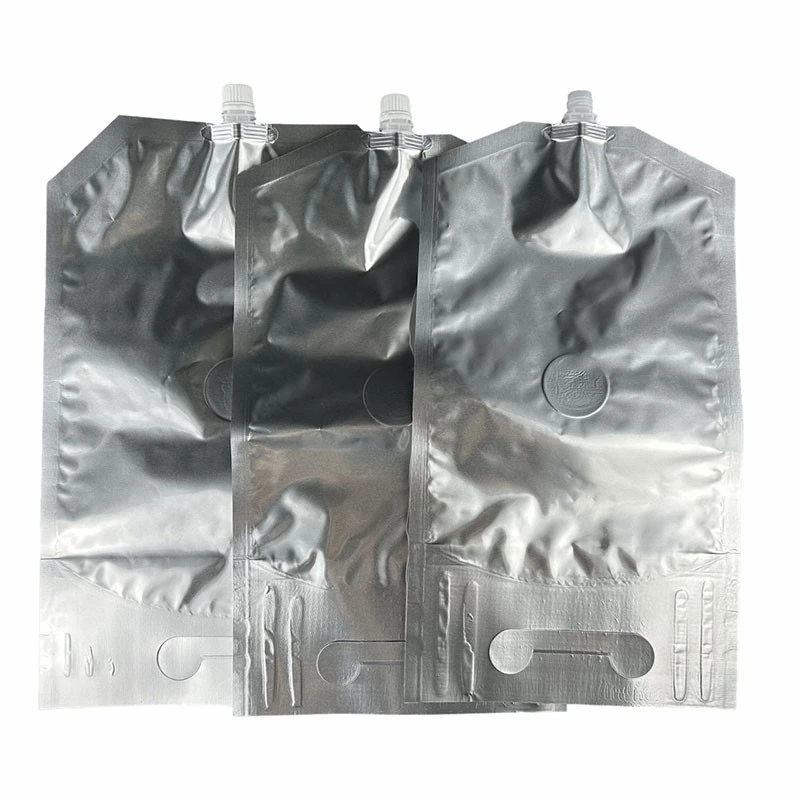
We also offer Aluminum Foil Colostrum Bag with Handle. Aluminum is highly recyclable, and encouraging farmers to recycle these bags can have a positive impact on the environment.
5. Our Efforts to Reduce Environmental Impact
As a supplier, we're aware of these environmental issues and are taking steps to address them. We're constantly researching and developing more sustainable materials for our feeding tools. For example, we're looking into using biodegradable plastics that can break down naturally in the environment.
We're also promoting the use of reusable tools and providing education to farmers on proper waste management. We believe that by working together with farmers, we can make a difference in reducing the environmental impact of farm bovin feeding tools.
Conclusion
In conclusion, farm bovin feeding tools have a wide range of environmental impacts, from material sourcing and manufacturing to usage and disposal. However, there are solutions. By choosing reusable and recyclable tools, and by being more conscious of waste management, we can minimize these impacts.
If you're a farmer or someone interested in our products, I encourage you to reach out to us for more information. We're more than happy to discuss how our products can meet your needs while also being kind to the environment. Let's work together to create a more sustainable future for the cattle - raising industry.
References
- "The Impact of Oil Spills on Marine Ecosystems." National Oceanic and Atmospheric Administration.
- "Mining and the Environment." World Wildlife Fund.
- "Greenhouse Gas Emissions from Industrial Processes." Environmental Protection Agency.


