

The coffee industry has witnessed a remarkable evolution over the years, with innovative packaging solutions emerging to meet the changing needs of consumers and businesses alike. One such innovation is the disposable coffee bag in a box, a convenient and practical option that has gained significant popularity. As a supplier of disposable coffee bags in boxes, I am often asked about the origin of the coffee in these packages. In this blog post, I will delve into the fascinating journey of coffee, from its humble beginnings to the moment it reaches your disposable coffee bag in a box.
The Ancient Origins of Coffee
The story of coffee begins in the ancient coffee forests on the Ethiopian plateau. Legend has it that a goat herder named Kaldi discovered the energizing effects of coffee beans after noticing his goats becoming unusually lively after eating the berries from a certain tree. Intrigued, Kaldi tried the berries himself and experienced a newfound sense of alertness. Word of this discovery spread, and coffee gradually made its way into religious ceremonies and daily life in Ethiopia.
From Ethiopia, coffee spread to the Arabian Peninsula, where it was cultivated and traded. In the 15th century, coffee houses began to appear in cities like Mecca and Medina, becoming centers of social and intellectual activity. These coffee houses, known as qahvehane, were places where people would gather to discuss politics, philosophy, and current events over a cup of coffee.
The Spread of Coffee to the Rest of the World
The 17th century marked a turning point in the history of coffee, as it began to spread beyond the Arabian Peninsula to Europe and the Americas. Dutch traders were among the first to introduce coffee to Europe, and by the 18th century, coffee houses had become popular gathering places in major cities like London, Paris, and Vienna.
In the Americas, coffee cultivation began in the Caribbean and South America. The Portuguese introduced coffee to Brazil in the 18th century, and the country soon became the world's largest coffee producer. Today, Brazil remains the leading exporter of coffee, followed by Vietnam, Colombia, and Indonesia.
The Journey of Coffee from Farm to Disposable Coffee Bag in a Box
The journey of coffee from the farm to your disposable coffee bag in a box is a complex and multi - step process. It all starts with the coffee plant, which belongs to the genus Coffea. There are two main species of coffee plants: Coffea arabica and Coffea canephora (commonly known as Robusta). Arabica coffee is known for its mild flavor and high acidity, while Robusta coffee has a stronger, more bitter taste and a higher caffeine content.
Cultivation and Harvesting
Coffee plants thrive in tropical and subtropical regions with the right combination of temperature, rainfall, and soil conditions. Once the coffee plants reach maturity, they produce small, red berries known as coffee cherries. Each cherry contains two coffee beans, which are the seeds of the plant.
Harvesting coffee is a labor - intensive process that is typically done by hand. Skilled workers carefully pick the ripe coffee cherries, ensuring that only the best quality fruit is selected. The harvested cherries are then transported to processing facilities.
Processing
There are two main methods of processing coffee: the dry method and the wet method. The dry method, also known as the natural method, involves drying the coffee cherries in the sun until they are completely dry. This method is commonly used in regions with limited water resources.
The wet method, on the other hand, involves removing the outer skin and pulp of the coffee cherries using water. The beans are then fermented to remove any remaining mucilage before being washed and dried. This method is known for producing a cleaner and more consistent flavor.
Roasting
After the coffee beans are dried, they are roasted to develop their flavor and aroma. Roasting is a critical step in the coffee - making process, as it transforms the raw, green beans into the fragrant, brown beans that we are familiar with. The roasting process involves heating the beans to high temperatures, causing them to undergo chemical changes that release their characteristic flavors and aromas.

There are different levels of roasting, ranging from light to dark. Light roasts have a milder flavor and higher acidity, while dark roasts have a stronger, more intense flavor and lower acidity. The choice of roast level depends on personal preference and the desired flavor profile of the coffee.
Grinding and Packaging
Once the coffee beans are roasted, they are ground to the appropriate size for brewing. The grind size can vary depending on the brewing method, with finer grinds being used for methods like espresso and coarser grinds for methods like French press.
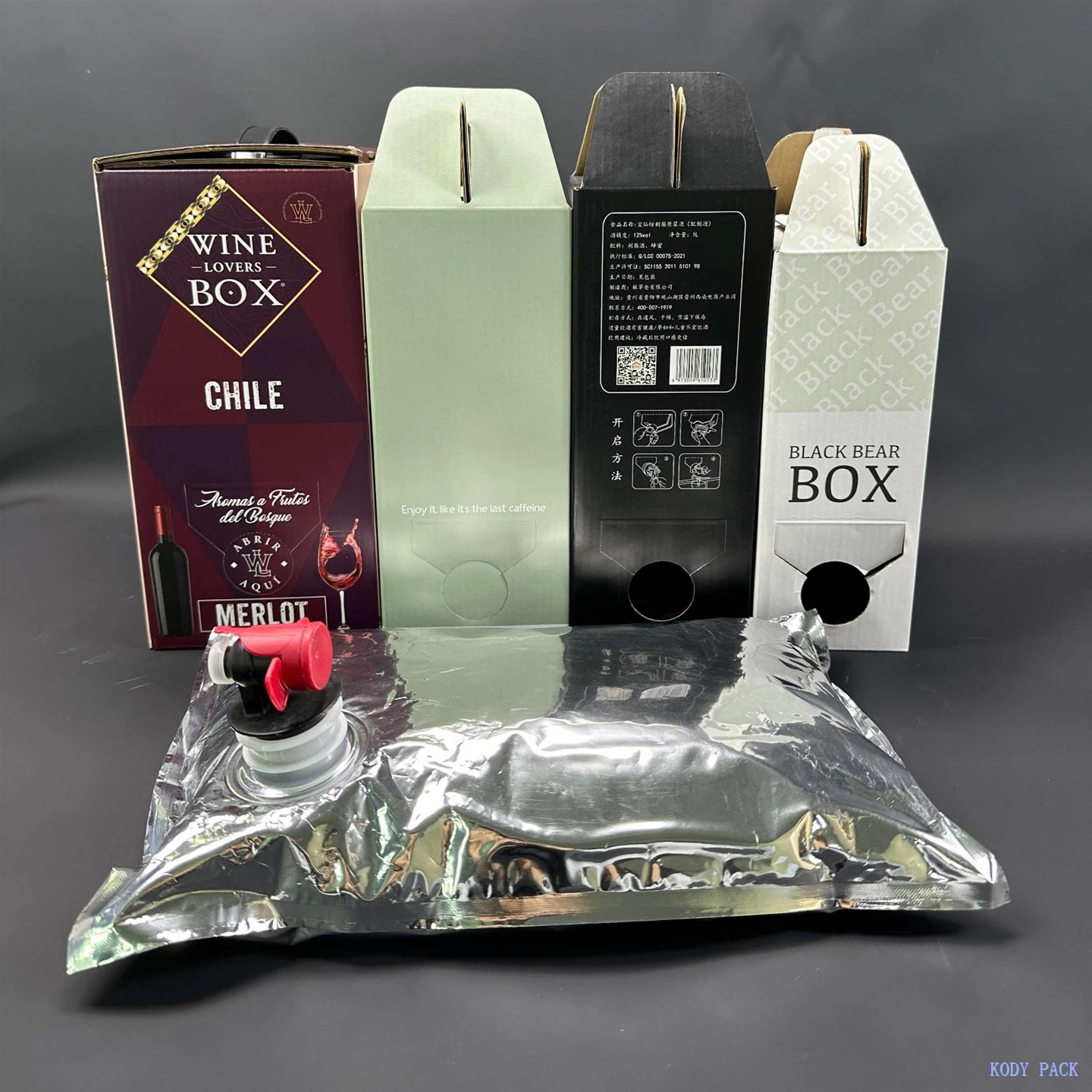
As a supplier of disposable coffee bags in boxes, we take great care in the packaging process. Our disposable coffee bags are designed to preserve the freshness and flavor of the coffee. They are made from high - quality materials that provide a barrier against oxygen, moisture, and light, which can all degrade the quality of the coffee over time.
We offer a variety of packaging options to suit different customer needs. For example, you can check out our Aluminum Metalized Wine Bib Bag in Box Bags With Faucet For Drinks Coffee Milk Party Outdoor Use, which is a great option for those who want a convenient way to serve coffee at parties or outdoor events. Our Screw Cap Aluminum Bag in Box provides a resealable option, allowing customers to keep their coffee fresh for longer. And our Aluminum Coffee Bag in Box With Screw Cap Hot Drinks Reseal Packaging Bag is specifically designed for hot drinks, ensuring that the coffee stays hot and fresh.
The Future of Coffee and Disposable Coffee Bags in Boxes
The coffee industry is constantly evolving, and the demand for convenient and sustainable packaging solutions is on the rise. Disposable coffee bags in boxes offer a number of advantages, including portability, freshness, and ease of use. As more consumers become environmentally conscious, there is also a growing interest in sustainable packaging options.
At our company, we are committed to staying at the forefront of these trends. We are constantly researching and developing new packaging materials and designs to meet the changing needs of our customers. Whether you are a coffee shop owner, a distributor, or a consumer looking for a convenient way to enjoy your coffee, we have the perfect solution for you.
If you are interested in learning more about our disposable coffee bags in boxes or would like to discuss a potential partnership, please feel free to reach out. We are always happy to answer your questions and provide you with more information.
References
- Pendergrast, Mark. Uncommon Grounds: The History of Coffee and How It Transformed Our World. Basic Books, 2000.
- Tewksbury, James. Coffee: A Dark History. Continuum International Publishing Group, 2006.
- Wilson, Paul. The World Atlas of Coffee: From Beans to Brewing - Coffees Explored, Explained, and Enjoyed. Firefly Books, 2011.


