

Hey there! As a supplier of cosmetic spout pouch sachets, I often get asked about the shelf-life of cosmetics stored in these nifty little packages. It's a super important topic, especially for both us suppliers and you folks in the beauty biz. So, let's dive right in and break it down.
First off, what are spout pouch sachets? They're those small, convenient pouches with a spout that make it easy to dispense products. You've probably seen them for things like serums, lotions, and even some makeup products. We offer a variety of these, like the Makeup Nozzle Pouch with Brush, Cosmetic Spout Pouch Sachet, and Cosmetic Sachet Pouches with Brush. They're great for samples, travel-sized products, or even single-use items.
Now, let's talk about the shelf-life. The shelf-life of cosmetics in spout pouch sachets can vary quite a bit, and there are a bunch of factors that come into play.
Ingredients Matter
The ingredients in the cosmetic product are a huge deal. Some ingredients are more stable than others. For example, products with natural ingredients like plant extracts and essential oils might have a shorter shelf-life compared to those with synthetic ingredients. Natural stuff is more prone to spoilage because it can be a breeding ground for bacteria, fungi, and other nasties.
Let's take a facial serum with a high concentration of vitamin C. Vitamin C is an antioxidant that's great for your skin, but it's also very unstable. It can break down when exposed to air, light, and heat. So, if you've got a spout pouch sachet of vitamin C serum, you'd better use it up pretty quickly. Usually, these types of products have a shelf-life of around 6 - 12 months when unopened. Once you open the sachet, you should use it within a few weeks.
On the other hand, a synthetic moisturizer with ingredients like dimethicone and glycerin is likely to have a longer shelf-life. These synthetic ingredients are more resistant to degradation. An unopened sachet of this kind of moisturizer could last 1 - 2 years, and once opened, you might have 3 - 6 months to use it.
Packaging and Preservation
The spout pouch sachet itself plays a big role in preserving the product. A good-quality sachet should provide a barrier against air, light, and moisture. Our spout pouch sachets are designed to do just that. They're made from multi-layered materials that help keep the product fresh.
For example, the inner layer of the sachet is often made of a food-grade material that's in direct contact with the cosmetic. This layer is usually resistant to chemical reactions with the product. The outer layers provide additional protection against light and air. Some sachets also have a foil layer in between, which is excellent at blocking out light.
But even with the best packaging, there's only so much it can do. If the sachet is damaged or not sealed properly, air and moisture can get in, and that'll speed up the spoilage process. So, it's important to check the sachet for any signs of damage before using it.
Storage Conditions
Where you store your cosmetic spout pouch sachets can have a major impact on their shelf-life. Heat and humidity are the enemies of cosmetics. If you leave your sachets in a hot, sunny bathroom or in a car on a hot day, the product inside will break down much faster.
The ideal storage temperature for most cosmetics is between 50°F - 70°F (10°C - 21°C). You should also keep the sachets away from direct sunlight. A cool, dark cabinet is a great place to store them.
Let's say you've got a sachet of sunscreen. Sunscreen contains chemicals that break down when exposed to heat. If you store it in a hot place, the sunscreen might lose its effectiveness before its expiration date. On the other hand, if you store it properly, it can last for its full shelf-life, which is usually around 2 - 3 years unopened.
Signs of Spoilage
It's important to know when a cosmetic in a spout pouch sachet has gone bad. There are a few telltale signs.
First, check the smell. If the product smells off - like it has a sour, rancid, or otherwise unpleasant odor - it's probably spoiled. For example, a sachet of perfume might start to smell like alcohol or have a strange chemical odor if it's gone bad.
Next, look at the texture. If the product has changed from its normal consistency - like a lotion has become lumpy or a liquid has become thick and sticky - it's a sign that something's wrong.
Finally, check the color. If the color of the product has changed significantly, it's likely spoiled. For example, a white cream that has turned yellow or brown is definitely not good to use.
Extending the Shelf-Life
There are a few things you can do to extend the shelf-life of cosmetics in spout pouch sachets.
First, make sure to keep the sachets sealed until you're ready to use them. Once you open a sachet, try to use it up as soon as possible. If you can't use the whole thing at once, you can try to squeeze out as much air as possible and re - seal the sachet as best you can.
You can also store the sachets in the refrigerator. This can slow down the spoilage process, especially for products like eye creams and serums. Just make sure to let the product come to room temperature before using it, otherwise, it might not spread evenly on your skin.
Conclusion
So, there you have it. The shelf-life of cosmetics in spout pouch sachets depends on a bunch of factors, including the ingredients, packaging, storage conditions, and how well you take care of the product. As a supplier, we do our best to provide high - quality spout pouch sachets that help preserve your cosmetics.
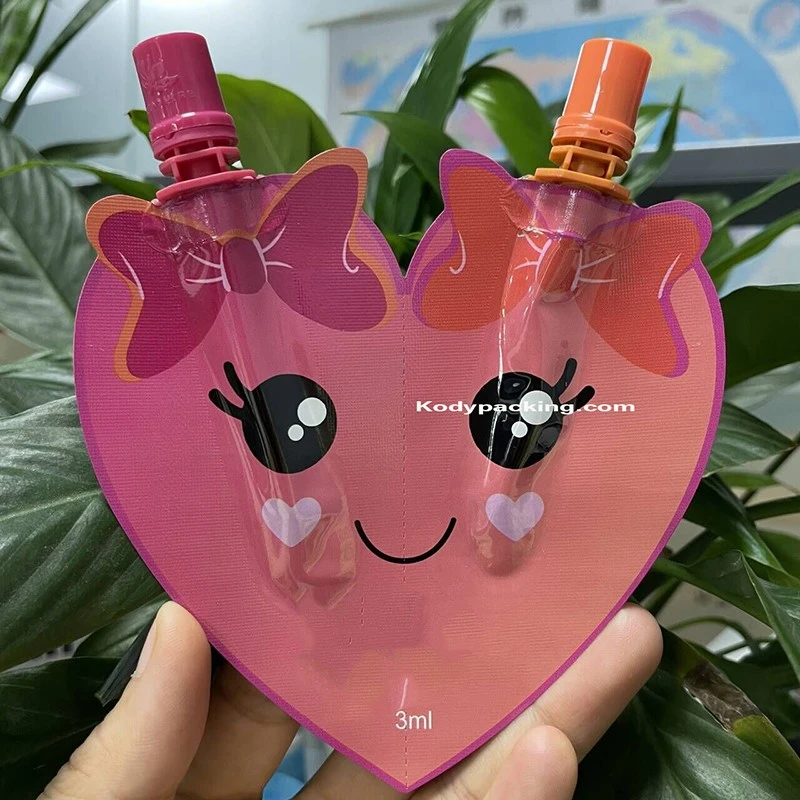

If you're in the market for cosmetic spout pouch sachets, whether it's for your new line of beauty products or to replace your current packaging, we'd love to chat. We can offer you a wide range of options and help you find the perfect sachet for your product. Just reach out to us and let's start a conversation about your packaging needs.
References
- Cosmetic Ingredient Review (CIR) Expert Panel. (20XX). Safety Assessments of Cosmetic Ingredients.
- American Academy of Dermatology. (20XX). Proper Storage of Cosmetics.
- International Journal of Cosmetic Science. (20XX). Studies on the Shelf - Life of Cosmetic Products.


