

As a supplier of custom farm calf feeding bags, I often get asked if these bags require special handling. Well, the short answer is yes, but let me break it down for you in more detail.
First off, let's talk about what custom farm calf feeding bags are. These are specially designed bags that are used to store and feed colostrum, the first milk produced by cows after giving birth, to newborn calves. Colostrum is super important for calves as it provides them with essential antibodies and nutrients that help boost their immune system and overall health.
Now, why do these bags need special handling? One of the main reasons is to maintain the quality and safety of the colostrum. Colostrum is a perishable product, and if it's not stored and handled properly, it can quickly spoil. This is where our Calf Feeding Aluminum Foil Colostrum Bag comes in handy. The aluminum foil lining helps to protect the colostrum from light, oxygen, and moisture, which can all contribute to spoilage.
When it comes to handling these bags, there are a few key things to keep in mind. First, make sure your hands are clean before you touch the bags. Bacteria can easily contaminate the colostrum, so it's important to practice good hygiene. You might want to wear gloves to be extra cautious.
Another important aspect is the storage temperature. Colostrum should be stored at a cool temperature, ideally between 32°F and 40°F (0°C and 4°C). Our Custom Farm Calf Feeding Bag is designed to help maintain this temperature, but it's still crucial to store them in a refrigerator or a cool storage area.
When it's time to feed the calves, you need to handle the bags carefully. Avoid squeezing or puncturing the bags, as this can cause the colostrum to leak and potentially contaminate the surrounding area. If you're using a Heat Seal Aseptic Colostrum Bag, make sure to follow the instructions for opening and sealing the bag properly.
It's also important to check the expiration date on the bags. Colostrum has a limited shelf life, and using expired colostrum can be harmful to the calves. Always make sure to use the oldest bags first to avoid waste.
In addition to proper handling, it's also important to choose the right type of bag for your needs. Our custom farm calf feeding bags come in different sizes and designs to accommodate various volumes of colostrum and different feeding methods. Whether you're feeding a single calf or a large herd, we have a bag that will work for you.
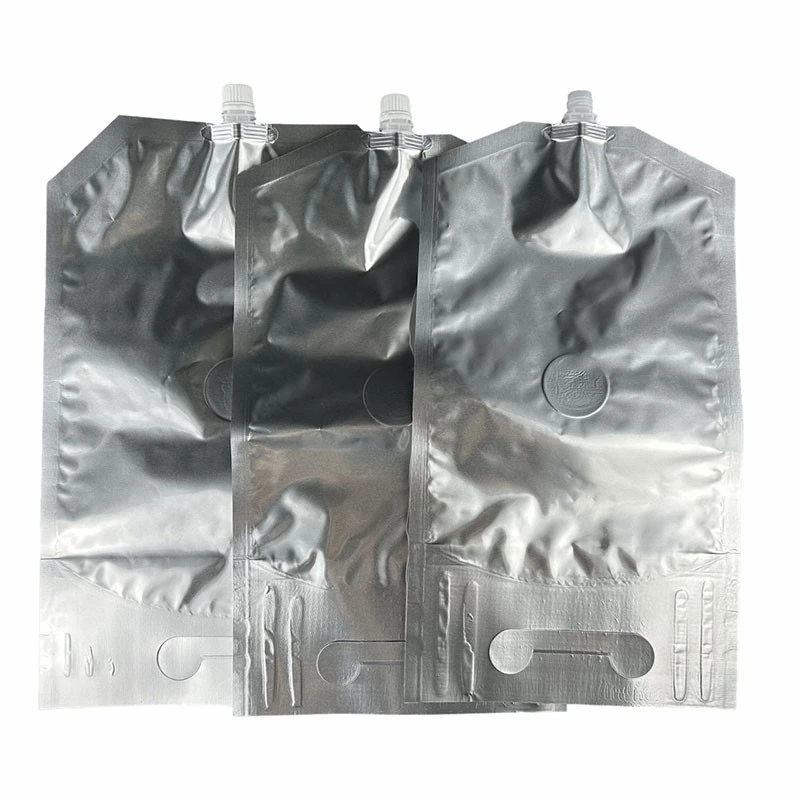

Now, let's talk about some of the benefits of using our custom farm calf feeding bags. One of the biggest advantages is the convenience. These bags are easy to store, transport, and use. You can simply fill them with colostrum, seal them, and keep them in the fridge until you're ready to feed the calves. This saves you time and effort compared to traditional feeding methods.
Another benefit is the cost-effectiveness. Our bags are designed to be durable and reusable, which means you can save money in the long run. You don't have to keep buying expensive feeding equipment or disposable containers.
The quality of our bags is also top-notch. We use high-quality materials that are safe for the calves and can withstand the rigors of farm use. Our bags are also tested to ensure they meet the highest standards of hygiene and safety.
If you're in the market for custom farm calf feeding bags, I encourage you to get in touch with us. We can provide you with more information about our products, answer any questions you might have, and help you choose the right bags for your farm. Whether you're a small family farm or a large commercial operation, we have the solutions you need to keep your calves healthy and happy.
In conclusion, custom farm calf feeding bags do require special handling to ensure the quality and safety of the colostrum. By following the proper handling procedures and choosing the right bags, you can provide your calves with the best possible start in life. So, don't hesitate to reach out and let us help you find the perfect solution for your farm.
References
- "Calf Health and Nutrition" - A comprehensive guide on calf care and feeding.
- "Best Practices for Colostrum Management" - An article highlighting the importance of proper colostrum handling.


