


Colostrum Bag
Why Choose Us?
High Standard Products
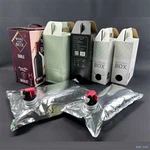
Kody Pack specializes in the development and production of liquid and multi-functional packaging bags, such as bags in box, color-printed spout pouches, spout doypacks, stand-up pouches with valve, colostrum bags, cosmetic packaging bags, and so on.
Wide Range of Applications
Our products are widely applied in food, beverage, toiletries, detergents, cosmetics and agriculture.
Rich Experience
Kody Pack is a professional manufacturer of liquid packaging bags, with a factory area of 8000 m2 in Dongguan, China, with more than 10 Years.
What is Colostrum Bag?
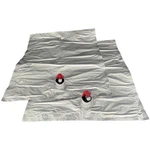
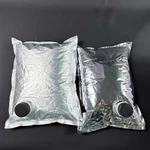
Colostrum bags help to develop and strengthen the immunity of calves from birth. They have a large opening for easy filling and cleaning and have a capacity of 4 litres to meet the feeding needs of the calves. These bags can be frozen flat to preserve the nutritional qualities of the colostrum over time. This aspect is important to take into account because this liquid can be transmitted to several calves.


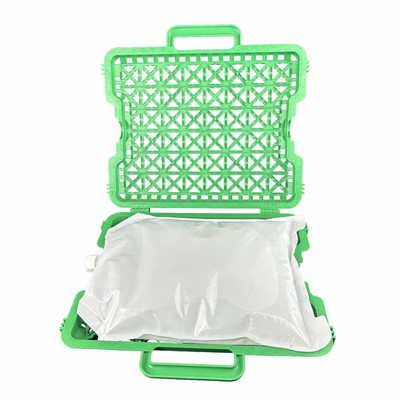


Benefits of Colostrum Bag
The benefits of using colostrum bags include the following:
• They are stronger than single use bags and do not leak.
• Breast colostrum bags take up less space in your freezer than glass bottles or plastic containers.
• They are 100% bpa free.
• Colostrum bags means less waste so they are kinder to the environment.
• They are easy to carry with you.
The Process of Collecting Colostrum Using a Colostrum Bag
Colostrum should be collected only from healthy cows within 1-6 hours of calving. This is important to remember as the quality of the colostrum will decrease by 3% per hour due to reabsorption and dilution within the mammary gland. By 12 hours, the quality will have decreased by 36%.
You can measure the quality of the colostrum by using a refractometer or a Colostrometer. The Brix refractometer features a 0-32% scale. Readings should be 22% or higher to be considered high quality enough for use on calves. 1-21% readings represent colostrum that can be used for second feedings.
Colostrometers are temperature sensitive meaning the colostrum must be very near 20°C/72°F. The colostrum level on the densimeter scale indicates quality. Easily float the glass cylinder in colostrum to read the scale. Green level indicates the highest quality and red is the lowest.
Once you have collected the colostrum in the Colostrum Bag, mark the quality rating of the batch on the bag so that the best ones can be used for first feedings. Also mark the date of collection.
1.Pasteurization
Be sure to pasteurize the colostrum as quickly as possible after harvest. This is extremely important as it will greatly reduce the risk of contagious pathogens that may be shed in the colostrum. It must be pasteurized at 60°C/140°F for 60 minutes in order to destroy pathogens, maintain viscosity of the final product and to preserve the delicate Ig molecules. This helps prevent illness and mortality and improves weight gain and future production.
2.Storage
As you prepare to load colostrum into the Colostrum Bags, protect it with a lid to prevent flies or dirt from contaminating. Then use a filter to remove any contaminants or teat sealants. As previously mentioned, the bacteria in room temperature colostrum doubles every 20 minutes, so be sure to refrigerate or freeze immediately. Raw or pasteurized colostrum can only be refrigerated for 48 hours and can be frozen for up to a year.
3.Feeding
The temperature of the colostrum prior to feeding is key because it impacts absorption. The goal is 90-110°F (32°C – 43°C) with no remaining pieces of frozen colostrum in the bag. Try not to exceed 140°F (60°C) with the water bath to reheat colostrum. Significant damage can occur to the immunoglobulins above these temperatures.
Calves should receive colostrum as soon as possible after birth – within 60 minutes if possible. Use a 3L Colostrum Bag for a calf less than 66 lbs and a 4L Colostrum Bag for a calf greater than 66 lbs. Then you can use a 2L Colostrum Bag for the second feeding of all calves.
4.Skip the Clean-Up!
The Colostrum Bag saves you time on labor and the cost of clean-up since they are designed to be disposed of or recycled after one use. Because colostrum is so high in fat and protein, it makes it nearly impossible to clean from surfaces like plastic bottles and nipples. Nipples and esophageal tubes are difficult to clean for this same reason which is why each new kit of Colostrum Bags comes with a new set of feeding attachments.
How to Use Colostrum Bag to Store Colostrum?
· Colostrum can be stored in a clean container, like a colostrum bag.
· Colostrum collected from the same day can be stored in the same colostrum bag, but keep it in the fridge between use.
· Once you have collected your colostrum for the day in your colostrum bag, it can be capped, labeled, put into a ziplock bag, and stored in the freezer.
· Label each colostrum bag with your name, the date, and the time you expressed the colostrum.
· Colostrum can be stored for up to 2 weeks in the fridge's freezer compartment or up to 6 months in a deep freezer.
· Use colostrum within 24 hours once it is thawed.

Of course, you want to ensure that your milk is stored correctly so that your baby benefits from all the vitamins and nutrients breast milk provides. The Centers for Disease Control and Prevention (CDC) recommend the following breast milk storage guidelines
Freshly expressed or pumped breast milk.
• Can be kept out at room temperature (77 degrees Fahrenheit) for up to four hours.
• Stored in the refrigerator (40 degrees Fahrenheit) for up to four days.
• Kept in the freezer (0 degrees Fahrenheit) is best used within six months, but up to 12 months is acceptable.
Thawed, previously frozen.
• Can be left out at room temperature (77 degrees Fahrenheit) for one to two hours.
• Stored in the refrigerator (40 degrees Fahrenheit) for up to 24 hours.
• Never refreeze breast milk after thawing.
Leftover milk after feeding.
• The doesn't finish the bottle at feeding time, leftover milk must be used within two hours.
Can You Wash and Reuse Breast Colostrum Bags?
Disposable storage bags like those like colostrum bag should only be used once. Out of the box these types of storage bags come pre-sterilized, but after use, they are no longer sanitized and should be thrown away.
You can now find reusable breast colostrum bags made from silicone and these are perfectly safe to reuse when cleaning and sterilizing properly between uses. Be sure to follow the instructions given by the particular manufacturer, but generally these can be washed in the sink with hot water and soap or in the top rack of the dishwasher. You can also sanitize them using a baby bottle sanitizer, such as these.

Once you have filled your colostrum bag, it's time to seal and store. Here's what you'll want to do:
• Ensure you have filled the bag to the correct graduated line. Double check that the bottom of your bag is flat, otherwise it will look like you have more than you do.
• Push out all air from the bag which will help with space-saving as well as prevent air bubbles within the breastmilk.
• Seal tightly to ensure there is no possibility for leaks.
• Use a permanent marker to write the date and number of ounces on the bag. This is an important step because it allows you to ensure you're using your breastmilk in a safe time frame and you won't be abe to tell the correct number of ounces once it's frozen.
• Lay flat and place into the freezer.
• Keeping your colostrum bag flat in the freezing process is ideal for space-saving. Once frozen, you can either keep them laid down, or stand them upright in a container. Standing upright in a container makes it easy to bring the oldest bags to the front so that you can use those first.
Now the milk is ready to be packaged for delivery to the stores where they will be sold. The milk travels through pipes to the automatic packaging machines that will fill and seal the milk into paper cartons or plastic jugs.
As the containers move through the assembly line, a date is printed on each of them to show how long the milk will stay fresh. Compared to other foods such as cereals which can stay good for months, milk is sold to a more local market due to its limited freshness and costs of shipping to other areas.
After packaging, the milk is finally ready for the customers, and it is stored in a big, refrigerated room until it is delivered to the stores to be sold.
Kody Pack is a professional manufacturer of liquid packaging bags, with a factory area of 8000 m2 in Dongguan, China. It is located in the economically active Pearl River Delta region, close to ports and airports. The nearest ports are Guangzhou and Shenzhen.
Kody Pack specializes in the development and production of liquid and multi-functional packaging bags, such as bags in box, color-printed spout pouches, spout doypacks etc, with more than 10 Years.
• New products, new designs, and new technology development
• Automatic production line-Fast delivery-Perfect quality inspection line-100% QC
• Strengthen after-sales work and solve after-sales problems more efficiently
• Excellent geographical location and convenient transportation
• 24 hours online with quickly respond
• Provides customers with effective and professional communication and service

Our Certificate


